
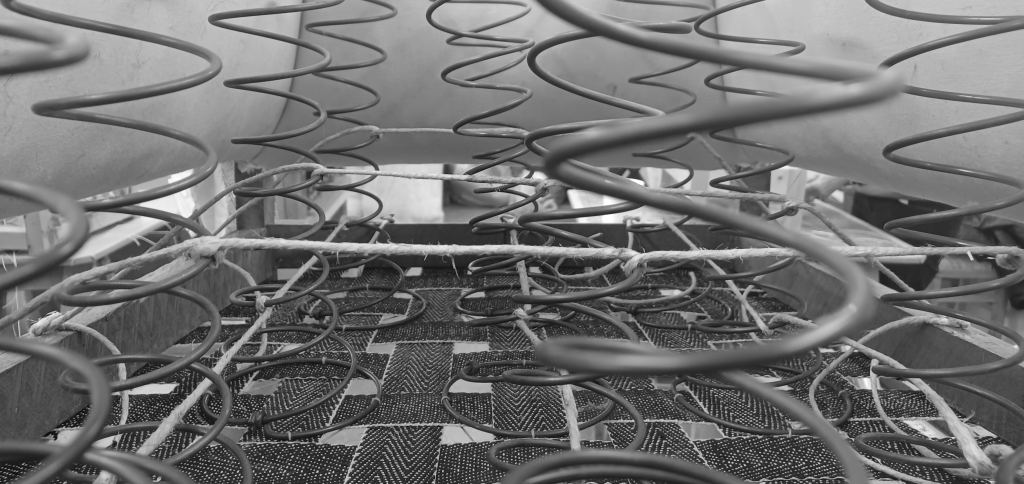
From suspensions to fillings, upholsterers of all times have used their skills and creativity in many ways. Technically speaking, what an upholstered furniture contains inside depends on the techniques used to create it. Techniques that have a long and fascinating history.
Since the 17th Century master cabinet makers have been improving the comfort of the seating furniture. Traditional upholstery dates back to that time and is still applied with the very same techniques that have been improved over the years. Modern upholstery is considered starting in mid-20th Century, when man-made materials, mostly produced with chemicals, replaced the natural fibres and mass-production was required to meet consumers needs.
Let’s explore the characteristics and techniques associated with each.
Traditional Upholstery
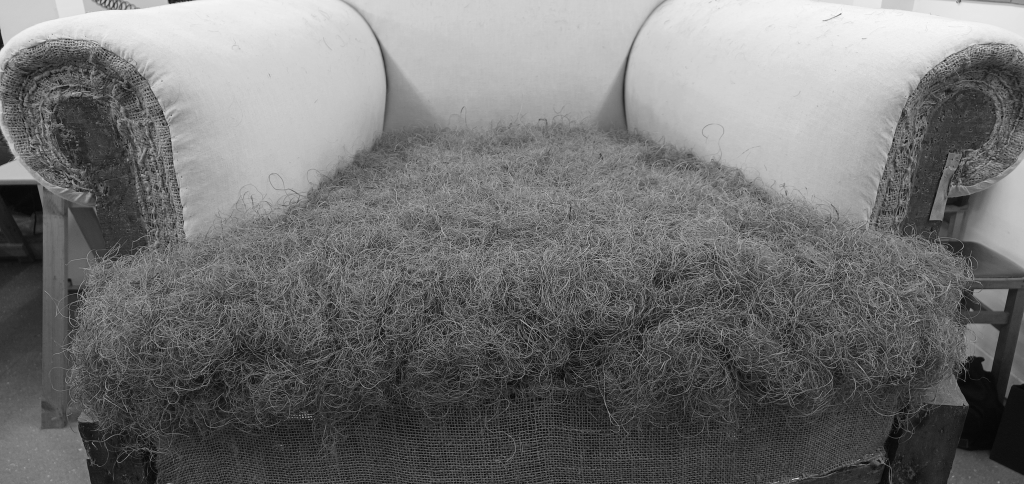
Traditional upholstery involves the use of time-honored methods and materials to create furniture pieces with a classic touch. Here are some key features of traditional upholstery.
- Frame Construction: Traditional upholstered furniture often features sturdy, handcrafted frames made from hardwood such as oak or mahogany. These frames are designed to withstand the test of time.
- Coil Springs: Traditional upholstery typically incorporates coiled springs for support and comfort. These springs are hand-tied and attached to the frame using twine, providing a resilient foundation.
- Natural Materials: Traditional upholstery often employs natural materials such as horsehair, cotton, and wool for padding and filling. Horsehair, for example, has been used for centuries due to its durability and ability to retain its shape.
- Hand Stitching: Crafted by skilled artisans, traditional upholstery involves extensive hand stitching. Techniques like button tufting, deep diamond tufting, and decorative trims add elegance and intricacy to the finished piece.
- Traditional Fabrics: Fabrics used in traditional upholstery tend to feature classic patterns, textures, and luxurious materials like velvet, damask, or brocade. These fabrics help create a refined and timeless aesthetic.


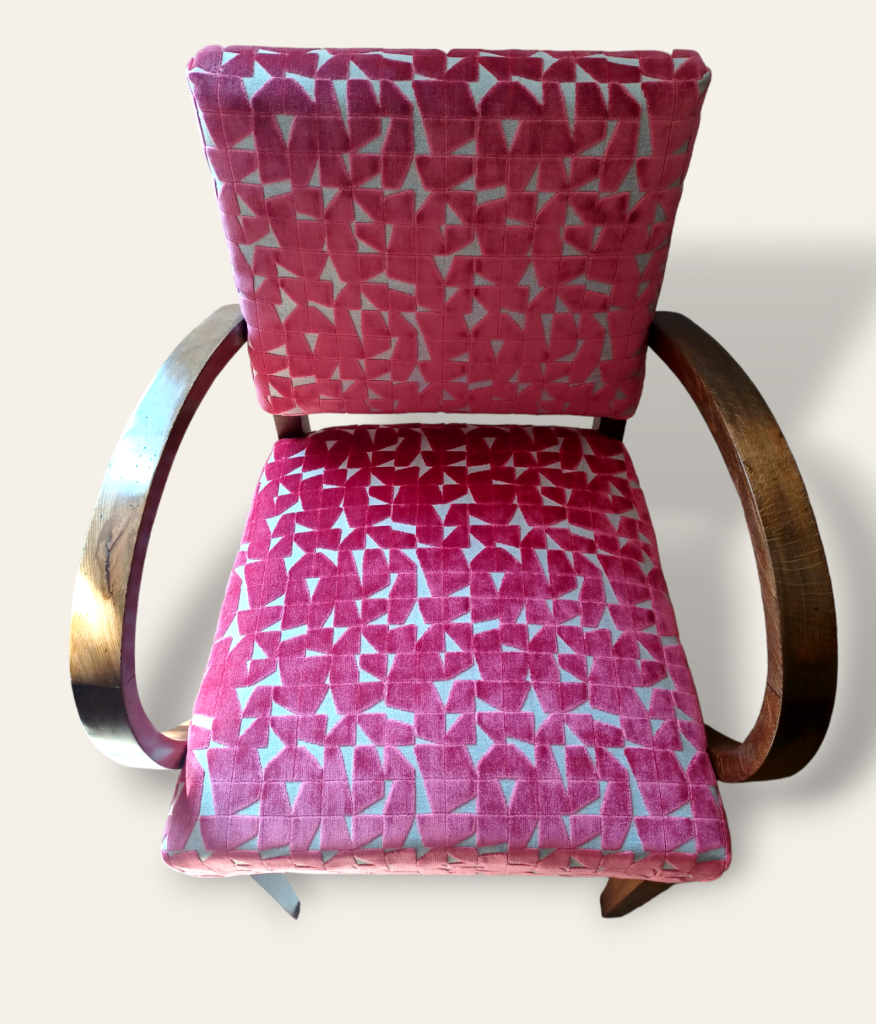
When a piece of seated furniture is upholstered with traditional upholstery techniques it’ll be obviously more expensive than if done with modern techniques, due to the materials used and the care and time to complete the work. However, depending on its use, a piece of seated furniture upholstered with traditional techniques can last many decades and is much safer for health. In fact. it has been proven that chemicals used in modern upholstery material can affect our health.
Modern Upholstery
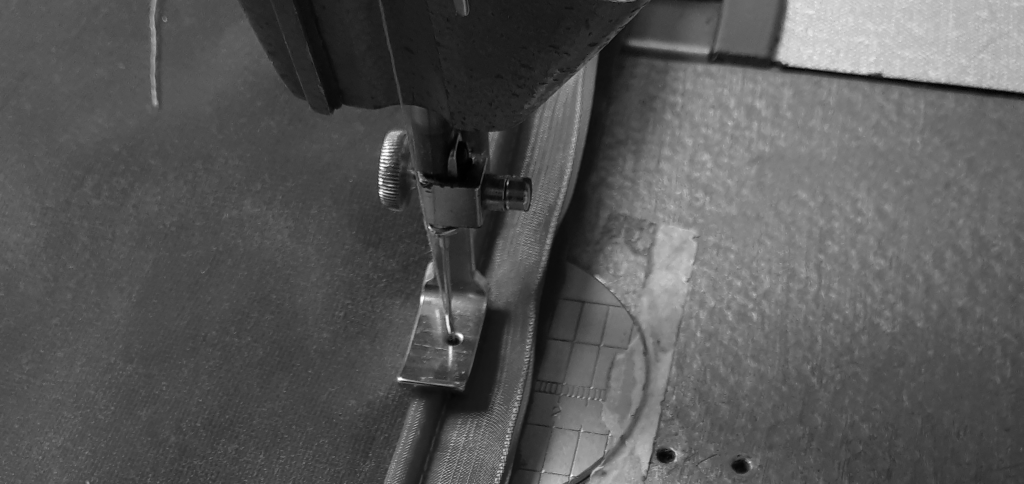
Modern upholstery embraces contemporary design trends and often prioritizes comfort and innovation. Here are some characteristics commonly associated with modern upholstery.
- Minimalist Frames: Modern upholstered furniture often features sleek and minimalist frames made from materials like metal or engineered wood. The focus is on clean lines and simplicity.
- Webbing or Elastic Straps: Instead of coil springs, modern upholstery may utilize webbing or elastic straps for support. These provide flexibility and ensure even weight distribution.
- Foam and Synthetic Materials: Modern upholstery frequently employs high-density foam and synthetic materials for padding and filling. These materials offer increased comfort, resilience, and hypoallergenic properties.
- Machine Stitching: With the help of advanced sewing machines, modern upholstery often incorporates machine stitching. This allows for precise and efficient stitching techniques, resulting in streamlined designs.
- Diverse Fabric Options: Modern upholstery embraces a wide range of fabrics, including plain and patterned textiles, microfiber, leather, and synthetic blends. These fabrics cater to various preferences and offer durability and stain resistance.
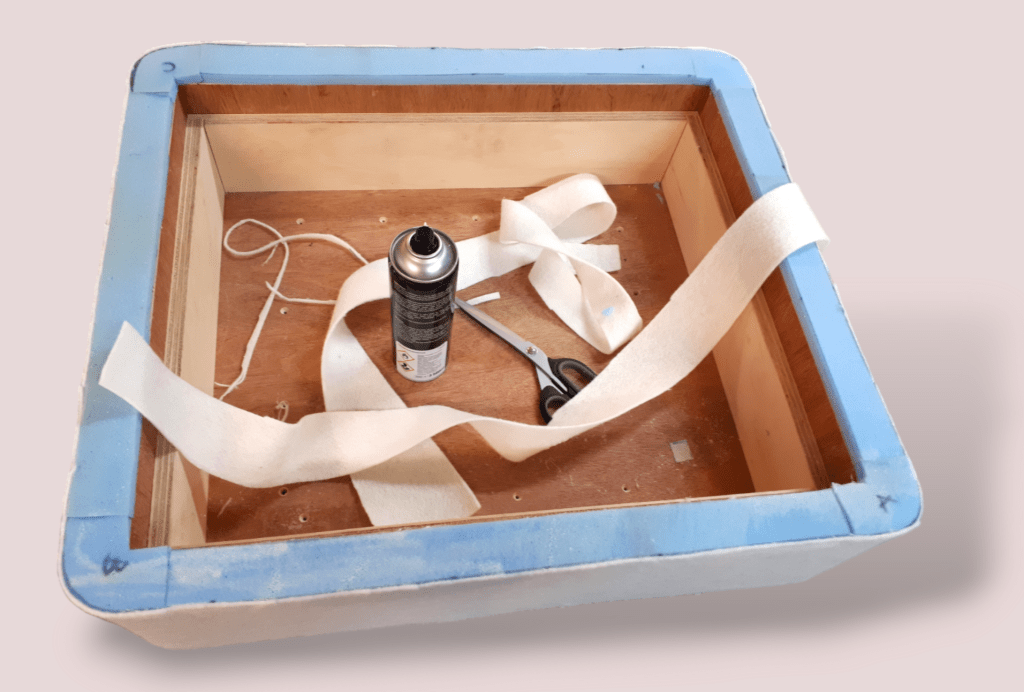
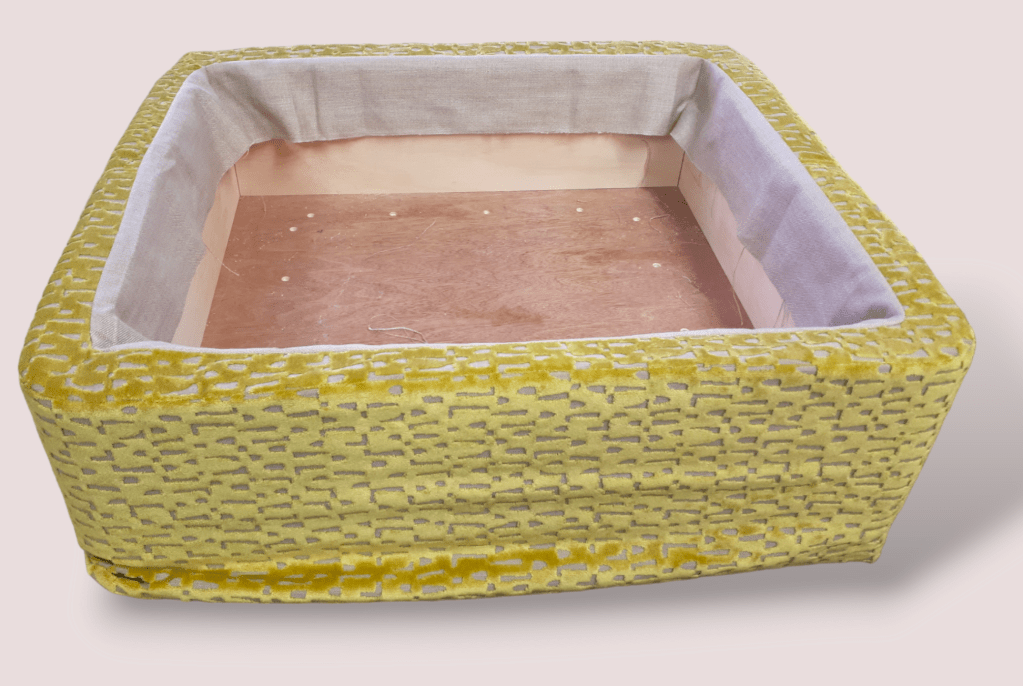
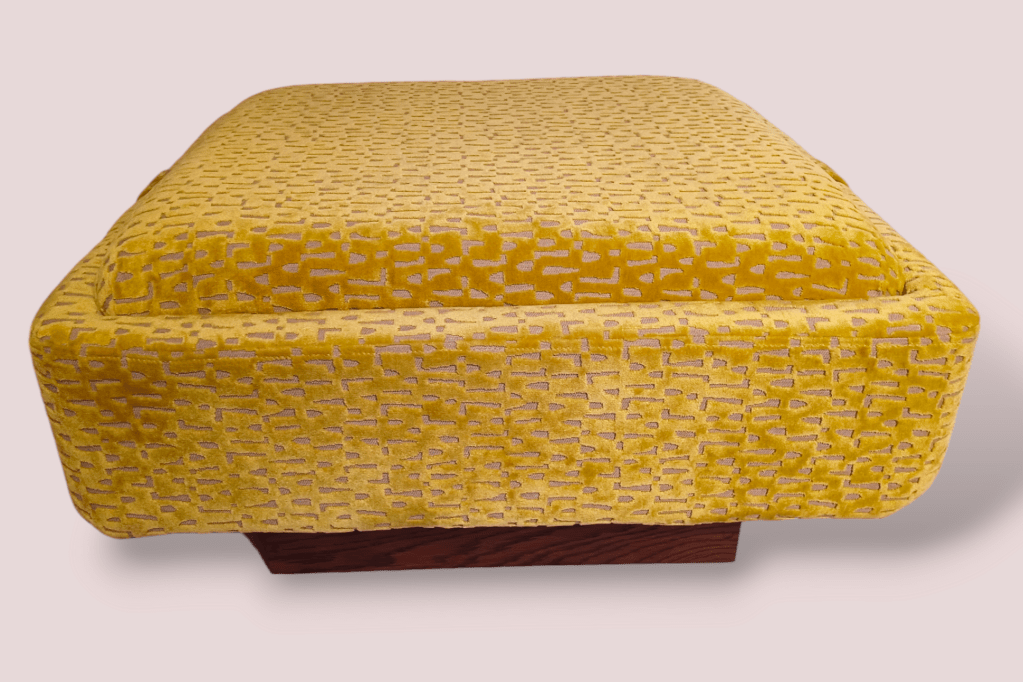
Modern upholstery is definitely the cheapest and fastest way to enjoy and stylish and comfortable seating furniture. However, depending on its use, a piece of seated furniture upholstered with modern techniques lasts only a few years.
Upholstery techniques and styles can also vary depending on the country, period, and individual artisans. Whether you prefer the timeless elegance of traditional upholstery or the contemporary flair of modern upholstery, both approaches bring their own unique charm to furniture design.

 Seat & Love